
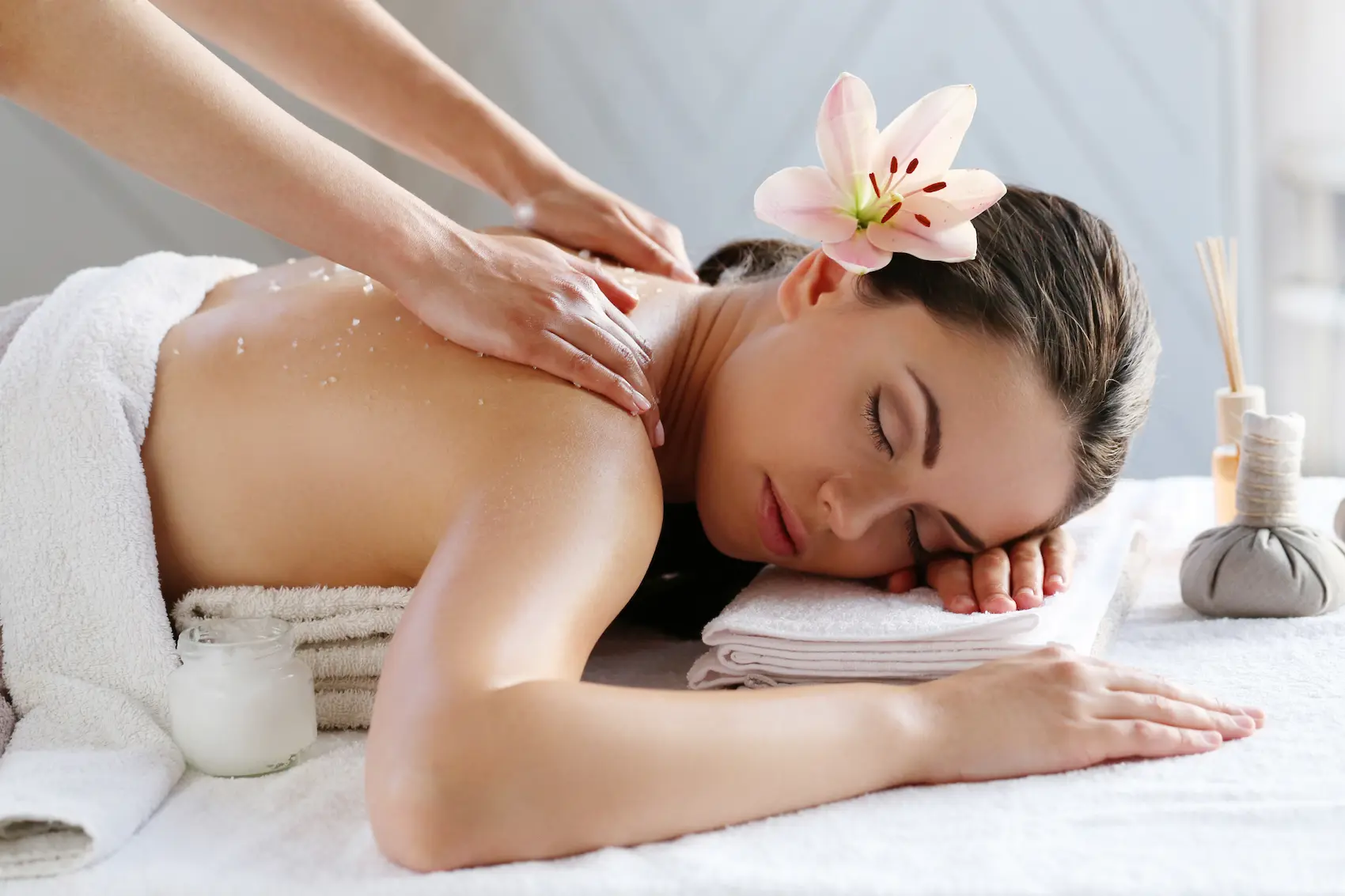
Massages are often hailed for their relaxation benefits, but many wonder if there’s more to the story. One of the most common claims is that massages help release toxins from the body. But what toxins are we talking about, and how does massage help with this process? This article explores the science of toxin release. It dispels myths and shows how massage therapy benefits your body and mind.
Do Massages Really Release Toxins?
Many believe that massages release toxins. But, massage doesn’t remove harmful substances the way a medical detox would. Instead, massages stimulate the lymphatic system, boost circulation, and loosen muscle knots, which supports the body’s natural detoxification processes rather than replacing them.
Wellness and health experts emphasize that the liver, kidneys, lungs, skin, and digestive system do the heavy lifting when it comes to detoxifying the body. Massage can help these organs work more comfortably by improving fluid movement and circulation, but it does not “squeeze out” toxins like wringing a sponge. Understanding this difference helps you set realistic expectations and use massage as a smart part of an overall wellness routine.
Massages relax muscles and improve circulation. They help remove metabolic waste that builds up in tissues over time. This waste includes substances produced by everyday activities and physical stressors.
The Role of the Lymphatic System in Detoxification
To understand what really happens during a massage, it helps to first understand the lymphatic system. The lymphatic system is a network of vessels, nodes, and organs that helps maintain fluid balance, supports immune function, and transports waste products away from tissues. Clear lymphatic flow is essential for moving cellular debris, excess fluid, and some immune byproducts out of the body.
Unlike the circulatory system, the lymph system does not have its own pump; it relies on muscle movement, breathing, and gentle external pressure to keep lymph flowing. Specialized lymphatic drainage techniques, gentle movement, and even deep breathing can all encourage lymph to move toward lymph nodes, where waste is filtered before being returned to the bloodstream and processed by the liver and kidneys. For clients interested in supporting lymph flow, a session focused on lymphatic-inspired techniques—such as a dedicated lymphatic massage in Ferndale, MI—can be particularly comforting.
Research on manual lymphatic drainage (MLD) and related techniques shows promising benefits for fluid movement and comfort, highlighting how improved lymph flow can help reduce a feeling of puffiness and heaviness. At the same time, health organizations caution that claims about full-body “detox” or rapid weight loss from lymphatic massage are overstated and not supported by strong evidence. Used correctly, lymphatic-focused massage is a supportive wellness therapy that works alongside your body’s existing detox systems, rather than a shortcut that replaces them.
What Happens to Your Muscles During a Massage?
When a massage therapist applies pressure to your muscles, several beneficial processes occur on both a physical and neurological level.
Physical Effects
Myofascial release: The therapist works to relieve tension stored in your fascia, the connective tissue that surrounds muscles and organs. Releasing these restrictions can improve range of motion and reduce discomfort over time.
Improved circulation: Enhanced blood flow nourishes muscles with oxygen and nutrients while helping carry away metabolic byproducts like carbon dioxide and urea more efficiently.
Lymphatic drainage: Massage stimulates the lymphatic system and can gently encourage lymph fluid toward nearby lymph nodes, supporting the body’s natural process of clearing waste from tissues.
Neurological Effects
Reduced stress: Relaxing touch and a calming environment can help lower cortisol, a primary stress hormone, which in turn supports better sleep, immune function, and mood.
Endorphin release: The brain often releases “feel-good” chemicals such as endorphins and serotonin during massage, enhancing relaxation and pain relief and helping your nervous system shift from “fight or flight” toward “rest and digest.”
What Toxins Are Released After Massage?
The word “toxins” can be confusing. In a spa context, it usually refers to normal metabolic byproducts and stress-related hormones rather than dangerous poisons or heavy metals. Here are the most relevant substances that may be mobilized during and after a massage.
Lactic Acid
-
Produced by muscles during intense exercise or when they are working harder than usual.
-
Can contribute to temporary muscle soreness, tightness, or that “burning” feeling during high-effort activity.
-
Massage may help your body clear lactic acid more efficiently by increasing blood flow and circulation, especially when combined with good hydration and recovery habits.
Cortisol and Stress Hormones
-
Chronic stress can keep cortisol levels elevated, which can affect sleep, mood, and how you feel day to day.
-
Massage has been shown in some studies to reduce cortisol while increasing serotonin and dopamine, helping your body shift into a more relaxed and receptive state.
-
Instead of “releasing” cortisol like a toxin, massage helps regulate your stress response so your body can focus on healing and normal detoxification.
Environmental Toxins
-
Everyday exposure to pollutants, chemicals, and food additives can lead to trace amounts of environmental substances entering your body, but these are primarily processed by your liver and kidneys.
-
Massage boosts circulation and can help move fluids through the lymphatic system, which indirectly supports how the body transports and clears these substances.
-
It’s important not to overstate this effect; massage supports normal processes rather than acting as a cure-all for environmental exposures.
Metabolic Waste
-
Metabolic waste includes byproducts from digestion, energy production, and cellular repair, such as urea, uric acid, and carbon dioxide.
-
These are normally filtered and eliminated by your liver, kidneys, lungs, and skin.
-
By promoting blood flow to vital organs and improving lymph circulation, massage can help this metabolic waste move more efficiently to the organs that eliminate it.
According to a review of manual lymphatic techniques, these methods may help decrease certain markers like tissue swelling, suggesting a supportive role in how the body clears fluid and cellular waste.
How Your Body Flushes Out Toxins Post-Massage
After a massage, your body continues its detoxification efforts, often with a little extra momentum.
Liver and kidneys: These organs filter out harmful substances and metabolic waste from the bloodstream, then eliminate them through bile, urine, and stool.
Lymphatic system: The lymph system collects waste and excess fluid from tissues and transports them to lymph nodes for filtering before returning them to the bloodstream.
Sweat and urine: Drinking water after a massage supports hydration and encourages waste removal through urine and, to a lesser extent, sweat.
Studies and expert articles show that improved circulation and sensible hydration after bodywork can support the body’s natural ability to clear metabolic byproducts, although massage itself is not a “detox” treatment in a medical sense.
Massage Techniques That Aid in Toxin Release
Different massage techniques offer unique benefits to support the body’s natural detoxification. Below are some of the most effective techniques for promoting toxin release through improved circulation, lymphatic drainage, and muscle relaxation.
1. Swedish Massage
Swedish massage is known for its long, gliding strokes that stimulate circulation and help flush out metabolic waste. This is often the best starting point if you are new to massage or want a relaxing, full-body experience.
How It Works: Gentle effleurage strokes improve blood flow and oxygen delivery to muscles, while circular pressure and kneading help mobilize fluids in soft tissues to support lymphatic flow. Over time, regular Swedish sessions may reduce muscle tension, improve sleep quality, and support the body’s natural stress-management systems.
Ideal for:
-
General relaxation and stress relief
-
Supporting lymph flow and circulation
-
Clients new to massage or sensitive to deeper pressure
When you book a Swedish session at a local spa in Ferndale, Michigan, such as Flawless Face & Body’s massage services, your therapist can tailor pressure and focus areas to your comfort level.
2. Deep Tissue Massage
Deep tissue massage works on the deeper layers of muscles and connective tissue. It releases chronic tension and knots, improving circulation and helping the body clear localized metabolic waste.
How It Works: Firm, slow strokes and targeted pressure are applied to problem areas, breaking down adhesions and improving blood flow to stiff or overworked tissues. This process can help reduce lactic acid buildup and relieve long-standing muscle tension, especially in the neck, shoulders, lower back, and hips.
Ideal for:
-
Athletes and active individuals
-
People with chronic muscle tightness or postural strain
-
Clients looking to complement training or demanding daily routines
Because deep tissue work is more intense, you may feel mild soreness afterward—similar to a workout—as your body processes the metabolic waste released from tight areas. Proper hydration and light movement after your session can help you feel better faster.
3. Lymphatic Drainage Massage
This technique aims to boost lymphatic fluid flow and support a feeling of lightness and comfort, making it particularly helpful for clients who feel puffy or experience general fluid retention. Lymphatic-inspired techniques are especially popular in the metro Detroit area for clients who want to feel lighter, less puffy, and more relaxed, always in addition to any guidance from their healthcare provider.
How It Works: Therapists use very light pressure and slow, rhythmic strokes that follow lymph pathways, gently encouraging fluid to move toward lymph nodes for filtering. Unlike traditional massage, lymphatic drainage focuses more on skin stretch and gentle direction rather than deep muscle work.
Ideal for:
-
People with mild swelling or fluid retention
-
Clients who prefer a very light, soothing touch
-
Anyone looking to support a gentle sense of immune and lymphatic wellness
If you have any significant health concerns, always talk with your healthcare provider first and let your therapist know, so your session can be tailored for comfort and safety. For a focused, comfort-based option in Ferndale, consider a dedicated lymphatic massage in Ferndale, MI.
4. Hot Stone Massage
This technique uses heated stones and massage. It relaxes muscles and improves circulation while creating a deep sense of comfort and warmth.
How It Works: Smooth basalt stones are warmed and placed on key points of the body, then used in long, flowing strokes. As the heat penetrates layers of muscle, tissues relax, allowing blood vessels to dilate and circulation to increase. With greater blood flow, your body can more easily move metabolic byproducts out of tense areas.
Ideal for:
-
Clients who feel cold, tense, or stressed
-
People who want deep relaxation without intense pressure
-
Those with general stiffness or mild aches
Because heat can affect circulation and fluid movement, hot stone sessions may not be the best choice for everyone. If you’re unsure whether hot stone is right for you, talk with your healthcare provider first and share any concerns with your therapist.
5. Thai Massage
Thai massage uses assisted stretching, deep pressure, and rhythmic rocking to boost blood flow and flexibility. It’s often performed on a padded mat and can feel like a blend of massage, stretching, and gentle yoga.
How It Works: The therapist guides your body through passive stretches while applying palm, thumb, and forearm pressure along energy lines and muscle groups. These movements encourage circulation, lymph flow, and joint mobility, while also stimulating the nervous system.
Ideal for:
-
Individuals who prefer an active, movement-based session
-
People with stiffness from desk work or athletic training
-
Clients who want both mobility work and gentle detox support
Thai massage can be especially helpful for residents in Ferndale, Royal Oak, and Detroit who sit for long hours or frequently train in local gyms and studios.
6. Aromatherapy Massage
This technique combines essential oils with massage to enhance relaxation and support detoxification. Certain oils, such as lavender, eucalyptus, and lemon, are often used for their calming or refreshing properties.
How It Works: The therapist blends essential oils into the carrier oil or lotion used during your massage, then applies long, soothing strokes to promote circulation and lymph flow. As you inhale the aroma and absorb small amounts of oils through the skin, your nervous system can shift into a more relaxed state, indirectly supporting your body’s natural detox processes.
Ideal for:
-
Clients seeking emotional balance and stress relief
-
People sensitive to deeper pressure
-
Anyone wanting a spa-like, sensory-rich experience
Always inform your therapist about allergies, asthma, pregnancy, or sensitivities before using essential oils, as some oils may not be appropriate for certain situations.
7. Reflexology
Reflexology applies pressure to specific points on the feet, hands, or ears that correspond to various organs and systems in the body. It’s often chosen by clients who prefer a non-invasive way to support overall wellness.
How It Works: Therapists stimulate reflex points believed to map to areas like the liver, kidneys, and digestive system. While research is still evolving, many clients report reduced stress, improved circulation, and an enhanced sense of balance after reflexology sessions.
Ideal for:
-
People looking for a gentle, clothes-on experience
-
Clients who are sensitive to full-body touch
-
Those who stand or walk for long periods and want focused foot work
Reflexology can complement full-body massages or stand alone as a relaxing, wellness-focused session.
Myths vs. Facts About Massage Detoxification
There’s a lot of confusion online about what massage can and cannot do when it comes to detox. Here are some key myths and facts to keep in mind.
Myth: Massage “flushes toxins” out of your body in a single session.
Fact: Massage supports your existing detox organs—liver, kidneys, lymph, skin—but it does not replace them or act as a medical detox.
Myth: Lymphatic drainage massage melts fat and leads to quick weight loss.
Fact: Articles and experts note that lymphatic techniques can reduce the feeling of puffiness and fluid retention but are not fat-loss treatments.
Myth: You’ll feel violently ill if massage releases toxins.
Fact: Some people experience mild headaches, fatigue, or soreness, usually related to circulation changes and muscle work, not “poison” leaving the body.
Studies show that massage can reduce pain, anxiety, and stress hormones and may improve lymph flow, but claims of dramatic toxin purges are not scientifically supported.
Signs Your Body Is Detoxifying Post-Massage
Most post-massage sensations are simply signs that your body is adjusting to improved circulation and lymph flow. You may notice increased thirst as your body signals a need for fluids to support waste removal through urine and sweat. Mild fatigue or feeling “sleepy” is also common, as the nervous system has shifted into a parasympathetic, rest-and-repair state.
Some clients report a light headache, slight muscle soreness, or even a temporary flare in tension areas, especially after deep tissue work. These sensations usually fade within 24 hours and can often be minimized by drinking water, eating a light, balanced meal, and avoiding alcohol. In some cases, you may notice more frequent urination or slightly stronger urine odor as your body processes metabolic byproducts with the help of increased hydration.
If you experience severe discomfort or symptoms that feel unusual or prolonged, it’s always wise to reach out to your therapist and, if needed, your healthcare provider. In general, gentle aftercare and rest help your body integrate the benefits of the session and continue its natural detox processes.
What Should You Do After a Massage to Support Detox?
Following certain practices after a massage session can enhance its benefits and help flush out any released waste. Wellness-focused sources agree that hydration, rest, and light movement are key to a smooth recovery.
Aftercare Timeline
First 2 hours after your massage
-
Drink 8–16 ounces of water within the first 30–60 minutes to support circulation and kidney function.
-
Avoid alcohol and minimize caffeine, as they can dehydrate you and make post-massage soreness feel more intense.
-
Keep food light and nourishing—think lean protein, veggies, and whole grains rather than heavy or highly processed meals.
First 24 hours after your massage
-
Aim for at least 6–8 glasses (about 1.5–2 liters) of water throughout the rest of the day to support ongoing detoxification and recovery.
-
Stretch lightly, focusing on areas that received deeper work to keep muscles from becoming stiff.
-
Take a warm bath or shower; Epsom salts can soothe muscles and promote relaxation if they feel good for you.
Ongoing weekly routine
-
If you receive regular massages, keeping a consistent hydration habit (about 6–8 glasses of water daily, or as recommended by your doctor) helps your tissues stay supple and responsive.
-
Complement massage with gentle movement like walking, yoga, or mobility exercises between sessions.
-
For overall wellness, many clients find that a monthly or bi-weekly massage fits well into their routine, while athletes or highly stressed individuals may benefit from weekly sessions.
Core Post-Massage Habits
Drink Plenty of Water: Hydration helps the kidneys and lymphatic system function smoothly and may reduce post-massage soreness.
Avoid Alcohol and Excess Caffeine: These substances can dehydrate the body and slow recovery.
Stretch Lightly: Gentle stretching keeps muscles from tightening back up after deep tissue massages.
Take a Warm Bath: Epsom salts can soothe muscles and support relaxation.
Rest: Allow your body time to recover and continue the healing process.
Benefits Beyond Toxin Release
Massage therapy offers a wide range of benefits beyond just the idea of releasing toxins.
Reduced muscle tension: Helps alleviate chronic stiffness and postural discomfort, especially in office workers and active individuals.
Improved flexibility: Regular massages enhance joint mobility and range of motion, making everyday movement feel easier.
Boosted immune function: By lowering stress and supporting healthy sleep, massage may indirectly support immune resilience.
Better sleep: Massage can reduce anxiety and promote deeper, restorative sleep cycles.
Better mental health: Endorphins boost mood, and lower cortisol can help you feel more grounded and balanced day to day.
As our massage therapy expert Sarah M. explains: “Massage is not a magic detox button, but it is a powerful way to help your body do what it’s already designed to do—circulate, repair, and restore itself with more ease.”
If you’d like to explore how massage can benefit your specific goals—whether stress relief, comfort, or gentle detox support—you can always schedule a consult with a therapist at a trusted Ferndale spa.
Where to Get Professional Detox Massage in Ferndale
If you’re in Ferndale, Michigan or the surrounding metro Detroit area, accessing professional, evidence-informed massage is easier than you might think. At Flawless Face & Body, our therapists combine relaxation techniques with a clear understanding of how the lymphatic and circulatory systems actually work. That means you get a soothing experience grounded in realistic, science-based expectations rather than detox hype.
Whether you’re booking a Swedish, deep tissue, or lymphatic-focused session, your therapist will take time to understand your comfort level and preferences before designing your experience. Many clients visit from nearby communities like Royal Oak and Detroit to enjoy a calm, neighborhood spa atmosphere that still delivers high-level therapeutic results. If you’re curious about how massage can support your body’s natural detox efforts, our team is ready to guide you.
Why Choose a Local Ferndale Spa for Detox Massage
Choosing a local Ferndale spa for detox-focused massage offers both convenience and continuity of care. When you see the same therapists regularly, they can notice how your body responds over time, adjust techniques, and build a session plan that fits your lifestyle. This kind of ongoing relationship often leads to better results than sporadic visits at different locations.
Local therapists also understand the daily stresses unique to life in and around Ferndale, Royal Oak, and Detroit—from commuting to office work to intense training at local gyms—and can tailor sessions accordingly. By booking at a neighborhood spa like Flawless Face & Body, you support your own wellness while investing in the health of your community.
Frequently Asked Questions
-
What toxins are released during massage?
During massage, your body doesn’t usually release dramatic “toxins” the way detox marketing often suggests. Instead, the session helps mobilize everyday metabolic byproducts such as lactic acid, carbon dioxide, and urea, which are normal results of muscle activity and cellular function. Improved circulation and lymph flow help move these substances toward the organs that eliminate them, primarily the liver and kidneys. In addition, massage may help regulate stress hormones like cortisol, supporting a healthier stress response rather than “flushing out” dangerous chemicals. -
Can massage release toxins stored in fat?
There is no strong scientific evidence that massage releases toxins stored in fat cells in a way that produces rapid detox or significant weight loss. While some bodywork techniques may temporarily change fluid distribution or reduce the look of puffiness, this is typically related to water and lymph, not fat breakdown. Your body relies on diet, metabolism, and overall activity levels to gradually use stored fat for energy. Massage can support these processes indirectly by improving circulation, reducing stress, and encouraging healthy habits, but it should not be viewed as a fat-detox procedure. -
How long does detoxification last after a massage?
Your body’s detoxification systems—liver, kidneys, lungs, skin, and lymphatic system—are working all the time, not just after a massage. After a session, circulation and lymph flow may be temporarily enhanced for several hours, and any mild soreness, fatigue, or thirst usually resolves within 24 hours. During this time, supporting your system with water, rest, and light movement can help your body integrate the effects of the massage. In general, think of massage as a gentle boost to your ongoing detox processes rather than a short-lived detox “event.” -
Is the “toxin release” claim scientifically proven?
Claims that massage dramatically releases toxins are not strongly supported by scientific evidence. Research does show that massage can reduce pain, anxiety, and cortisol levels, improve circulation, and support lymph flow, which all contribute to overall wellness. However, health writers and massage organizations note that your liver and kidneys remain the primary detox organs, and massage simply assists the normal movement of fluids and metabolic byproducts rather than replacing any kind of medical detox. When you hear “toxin release,” it’s more accurate to think of gentle support for your body’s natural housekeeping systems. -
Can massage help with lymphedema?
Manual lymphatic drainage is a very gentle style of bodywork that is often included in doctor-guided care plans for people living with lymphedema. In a spa setting, lymphatic-inspired techniques are used more generally to encourage light fluid movement and a feeling of ease and relaxation, not to diagnose or treat lymphedema. If you have lymphedema or any ongoing health condition, it’s important to follow your doctor’s advice and work with medical specialists for treatment, while using spa services purely for comfort and general wellness. -
What’s the difference between detox massage and regular massage?
“Detox massage” is often a marketing term applied to sessions that emphasize lymphatic flow, light pressure, and supportive aftercare like hydration and gentle movement. A regular massage may focus more on relaxation, muscle tension, or comfort with techniques such as Swedish or deep tissue. In practice, many sessions blend both approaches—improving circulation, addressing tight muscles, and supporting lymph flow in a single visit. The key difference is usually intention: a detox-focused session prioritizes gentle fluid movement and recovery, while a standard session may emphasize specific areas of tightness or stress. -
Can you get sick from toxin release (massage sickness)?
Some people report feeling “off” after massage—mild headache, fatigue, or slightly upset stomach—which is sometimes called “massage sickness.” These symptoms are typically short-lived and likely related to changes in circulation, nervous system activity, and muscle tension rather than a sudden flood of toxins. Dehydration can make these sensations worse, so drinking water and resting usually helps them resolve within a day. If you feel unwell for longer than expected, it’s always fine to check in with your therapist or healthcare provider. -
How much water should I drink after a massage?
General wellness guidance suggests drinking 8–16 ounces of water shortly after your session, then continuing to hydrate with roughly 6–8 glasses throughout the rest of the day, unless your doctor has given you different advice. This helps your body handle circulation changes comfortably and supports your lymphatic and circulatory systems. Staying hydrated can also reduce post-massage soreness, headaches, and fatigue by helping your body manage fluid shifts more smoothly. Remember that individual needs vary, so listen to your body. -
Can massage help with cellulite reduction through toxin release?
Massage can temporarily improve the appearance of cellulite by increasing circulation, moving fluid from tissues, and smoothing the skin’s surface, but it does not permanently remove cellulite through toxin release. Cellulite is influenced by factors such as genetics, hormones, connective tissue structure, and fat distribution. While regular massage may support skin health, lymph flow, and overall wellness, it should be viewed as a supportive cosmetic and wellness tool rather than a cure. For clients in Ferndale, Royal Oak, and Detroit, combining massage with healthy lifestyle habits often yields the most realistic and sustainable improvements. -
How often should I get a massage for detox purposes?
For general wellness and gentle detox support, many people benefit from a massage every 3–4 weeks, while those under high stress or with significant muscle tension may choose weekly or bi-weekly sessions. If you’re focusing specifically on feeling lighter and supporting healthy fluid movement, talk with your healthcare provider about what frequency is appropriate for you, and then work with your therapist to find a relaxing schedule that fits your lifestyle. Consistency usually matters more than intensity when it comes to long-term benefits. -
What should I avoid after a detox-focused massage?
After a detox-focused massage, it’s wise to avoid alcohol, smoking, and heavy, greasy meals, as they can make you feel sluggish and place extra strain on your digestive system. Intense workouts immediately after a deep or lymphatic session may also be too much for tissues that are already adjusting to increased circulation. Instead, choose light activity like walking, stretching, or gentle yoga. Hot tubs and saunas may be relaxing for some, but if you have any health concerns or sensitivities to heat, it’s a good idea to ask your doctor first.
-
Are there any medical conditions that make detox massage unsafe?
There are times when it’s best to check with your doctor before booking any type of massage. If you have a significant health condition, recent injury, surgery, or are under a doctor’s care for something ongoing, always get their guidance first and let your therapist know about it. This helps your spa team keep your session gentle, relaxing, and appropriate for your situation. Spa services at Flawless Face & Body are designed for relaxation and general wellness only and are not a substitute for medical care. -
How does lymphatic drainage massage actually support detox?
Lymphatic drainage massage supports detox by gently moving lymph—a clear fluid that carries waste products, immune cells, and excess fluid—toward lymph nodes where it can be filtered. From there, waste is returned to the bloodstream and processed by the liver and kidneys, then eliminated through urine and stool. By enhancing lymph flow, this technique may help you feel lighter and less puffy, and support the body’s natural waste-clearance mechanisms. It is not a replacement for medical care, and any specific health concerns should always be discussed with your healthcare provider. -
What statistics or research support massage for detox and wellness?
Several articles and studies suggest that massage can lower cortisol levels, reduce pain, and improve markers of stress and well-being. Research on manual lymphatic drainage shows benefits for fluid movement and comfort, demonstrating its ability to help with swelling and overall ease in specific groups. Wellness centers also report that hydration before and after massage helps reduce post-session headaches and soreness, supporting the idea that circulation and fluid balance play a meaningful role in recovery. While more large-scale studies are needed, existing information supports massage as a valuable complement to a healthy lifestyle.
Book a Massage at Flawless Face & Body
If you’re looking to release toxins, reduce muscle tension, and enhance your overall well-being, massage therapy is an excellent way to support your body’s natural detoxification processes. At Flawless Face & Body, located in Ferndale, Michigan, our expert therapists are here to help you feel rejuvenated and refreshed. We can recommend the best combination of Swedish, deep tissue, lymphatic-inspired, or specialty techniques based on your comfort and goals.
For guests who want to turn their detox experience into a full spa day, consider pairing your massage with one of our curated spa packages in Ferndale. You’ll enjoy a seamless, relaxing experience that addresses both body and mind. Schedule your detox massage at Flawless Face & Body in Ferndale, Michigan today; we also serve clients from Royal Oak and Detroit.
Book your next massage session today, and let us guide you on your journey to relaxation and wellness!
All services at Flawless Face & Body are intended for relaxation and general wellness only and are not meant to diagnose, treat, or cure any medical condition. Please consult your healthcare provider for medical advice or treatment.