
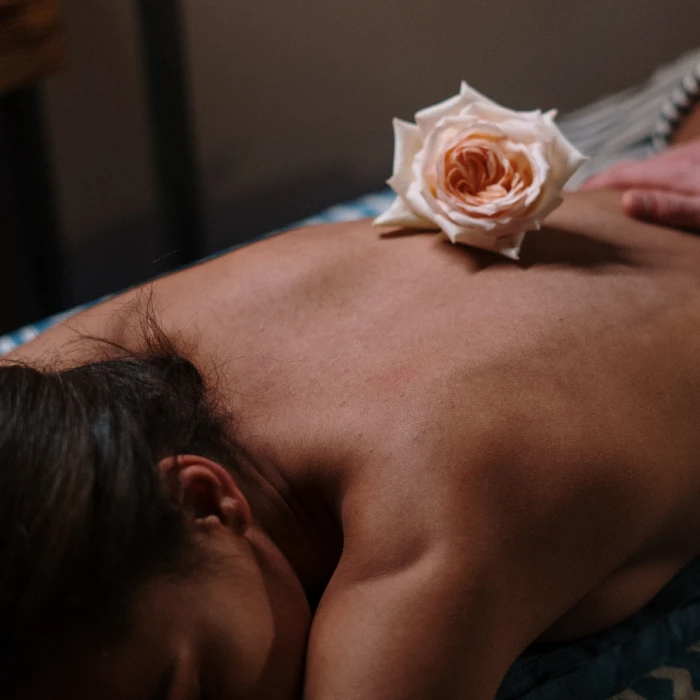
Back breakouts are frustratingly common. They’re also stubborn, because back skin is thicker, oilier, and constantly dealing with friction, sweat, and occlusion from clothing. A back facial—often called a bacial—takes the same “facial logic” used for the face and applies it to the back: cleanse, exfoliate, decongest pores, calm irritation, and support the skin barrier.
For guests in Ferndale, MI who want a practical, non-overhyped way to manage back congestion and texture, a back facial can be a smart reset—especially when paired with the right prep and aftercare.
To explore treatment options, start with the spa’s facial menu here: browse the facials at Flawless Face & Body Spa.
Quick Answer / TL;DR: A bacial is “facial logic” for back skin
A back facial is a targeted treatment for clogged pores, rough texture, and back acne-prone skin. It typically includes cleansing, gentle exfoliation, optional extractions, a treatment mask, and finishing products designed to reduce cutaneous reactivity and support barrier function. Results improve most when bacials are combined with consistent home care and smart friction control.
The simple goal: clear pores, calm micro-inflammation, smooth texture
Back skin often sits in a cycle: sweat → occlusion → clogged pores → irritation → more breakouts. A back facial aims to interrupt that cycle. The goal isn’t “strip everything.” It’s to clear congestion and calm the environment so the skin can behave more predictably.
What a back facial can and can’t do (realistic expectations)
A back facial can help reduce the look of congestion, improve texture, and support clearer-looking skin. It can also help you identify triggers and build a routine that keeps pores from refilling quickly. What it won’t do is create instant perfection in one visit, or “cure” persistent acne. If breakouts are painful, widespread, or persistent, it may be worth checking in with a medical professional for additional guidance.
Why back acne and clogged pores are so common
Back skin isn’t delicate. It’s resilient. That’s the problem. It takes more to irritate it, but it also takes more to truly clear it.
Back skin is thicker and oilier (and harder to reach)
The back has a higher density of oil glands in many people, plus thicker skin that traps buildup more easily. Add the fact that it’s hard to reach—and even harder to treat gently—and you get the perfect setup for inconsistent care.
Sweat + friction + occlusion: the perfect breakout trio
This trio deserves its own warning label. Sweat sits on the skin. Clothing rubs. Tight fabrics create occlusion. The result is a warm, humid microclimate where pores clog and inflammation flares.
Hair products, detergents, and fabrics as sneaky triggers
Conditioner runoff is a classic. Heavy hair products that touch the shoulders and upper back can leave residue that feeds congestion. Detergents and fabric softeners can also irritate reactive skin, especially when combined with heat and sweat.
Seasonal flare-ups: summer sweat vs winter dryness
Summer often brings sweat congestion and more occlusion from activewear. Winter can bring dryness that compromises barrier function, leading to irritation and more reactive breakouts. Different season, same chaos. The strategy just changes.
What exactly is a back facial (bacial)?
A bacial is not a body scrub with a fancy name. It’s a structured treatment that’s meant to be both clarifying and calming.
The core steps: cleanse, exfoliate, extract, treat, hydrate
Most bacials follow a clear sequence: cleansing to remove sweat film and residue, exfoliation to lift dead cells, optional extractions to remove congestion safely, a treatment mask to calm or clarify, and finishing products to support hydration and barrier integrity.
How bacials differ from a standard body scrub or massage add-on
A body scrub is mostly about surface texture. A bacial is about pore behavior. It targets comedones, buildup, and recurring congestion patterns. It’s skincare, not just polishing.
Why “deep clean” is not the same as “harsh”
Harsh treatments can create rebound oiliness and increased irritation. A true deep clean is methodical. It respects the skin’s barrier while reducing pore blockage. Think precision, not punishment.
What a back facial treats best
Back facials shine when the problem is congestion, texture, and recurring bumps—not when the approach is random or overly aggressive.
Back acne and recurrent breakouts
A back facial helps by clearing pore blockage and calming the surface. When done consistently, it can reduce the frequency of new breakouts for many people, especially when friction triggers are addressed.
Blackheads, whiteheads, and clogged pores
Back pores can be persistent. A bacial is designed to soften and remove buildup safely so pores don’t stay in a constant “stuffed” state.
Rough texture and “chicken skin” bumps (KP-like texture)
Some people get rough, sandpapery texture—often on the upper arms, shoulders, or back. Bacials may help smooth the feel of the skin by reducing dead-skin buildup and supporting hydration.
Post-breakout marks and uneven tone (appearance support, not medical claims)
Back facials can support more even-looking skin over time by reducing ongoing inflammation and encouraging gentler, consistent care. It’s not an instant fix, but it’s a better direction than aggressive scrubbing.
Ingrown hairs after shaving or waxing
Ingrowns often involve occlusion, friction, and improper exfoliation timing. A bacial may help reduce buildup and calm irritated follicles—especially when paired with smart scheduling around hair removal.
If back bumps are tied to hair removal, reviewing professional options can help you plan timing properly: see waxing services for smooth skin support.
Who a bacial is perfect for
Back facials aren’t only for “acne.” They’re for anyone whose back skin is acting like it needs a better plan.
Gym-goers and athletes dealing with sweat congestion
Frequent workouts plus tight activewear can create chronic occlusion. Bacials can be a useful reset and maintenance tool when sweat is part of daily life.
People who wear uniforms, backpacks, or tight sports bras
Friction isn’t subtle. It creates repeated irritation and clogged pores along pressure lines. A bacial helps reduce congestion, but addressing friction habits is what keeps it from returning immediately.
Anyone prepping for an event: weddings, vacations, photos
Backless clothing and event photos have a way of making back texture feel very personal. A bacial can help improve smoothness and clarity when booked with enough lead time.
Clients on a “reset” plan after product overload
Sometimes back acne is less about “not enough cleansing” and more about too many products, heavy occlusives, or random experimentation. A bacial helps bring the skin back to neutral.
When to skip or delay a back facial
Timing isn’t just a detail. It’s a safety factor.
Sunburn, active irritation, or open skin
If the back is sunburned or raw, a facial should wait. Treating compromised skin can increase irritation and prolong recovery.
Recent waxing, shaving, or strong exfoliants (timing matters)
Freshly waxed or shaved skin can be more reactive. Strong exfoliants can also prime the skin for irritation. Spacing your treatments helps avoid unnecessary flare-ups.
If breakouts are painful, widespread, or persistent (when to seek medical guidance)
If breakouts are severe, painful, or not responding to basic care, a day spa facial may not be enough on its own. Professional medical guidance can be a smart next step.
What to expect during a back facial (step-by-step)
A good bacial feels structured and intentional. Not rushed. Not harsh.
Consultation: your skin history, triggers, and goals
Expect questions about workouts, clothing, hair products, shaving/waxing habits, and what you’ve tried. This is where patterns are spotted.
Cleansing: removing sweat film and product residue
Cleansing removes the surface layer that makes everything else less effective. Think sweat salts, sunscreen residue, hair product runoff, and everyday buildup.
Exfoliation: enzymes vs gentle acids vs physical exfoliation (and how it’s chosen)
Back skin can handle more than facial skin, but that doesn’t mean it should. The best exfoliation choice depends on sensitivity, congestion level, and how reactive your skin is. Over-exfoliation is a fast track to irritation and rebound oiliness.
Steam or warm compress (when used, when avoided)
Warmth can help soften congestion for extractions, but it’s not always appropriate—especially if skin is already inflamed or reactive.
Extractions: what they feel like and why technique matters
Extractions can be mildly uncomfortable, but they shouldn’t feel brutal. Good technique reduces trauma and helps prevent post-extraction marks.
Treatment mask: clarifying vs soothing vs hydrating
Some backs need clarification. Some need calming. Many need both. A well-chosen mask reduces that “angry skin” look and helps the back feel less congested.
Finishing products: hydration + barrier support
Finishing products should support barrier function without heavy occlusion. Hydration matters because dryness can trigger irritation and worsen texture.
Extractions on the back: the honest truth
Back extractions are useful. They’re also easy to do poorly.
Why DIY squeezing often backfires (and can leave marks)
DIY squeezing tends to be too much pressure, too little visibility, and too much repetition in the same area. That’s a recipe for inflammation, scabbing, and lingering marks.
What “safe extraction” looks like on thicker back skin
Safe extraction means softening the pore first, using controlled pressure, and stopping early rather than chasing perfection. The goal is decongestion, not trauma.
What not to expect: instant perfection in one visit
A single bacial can improve smoothness and reduce congestion, but long-term change comes from consistency and routine. Back skin is stubborn. It likes patterns.
Bacial prep: what to do before your appointment
Prep doesn’t need to be complicated. It needs to be deliberate.
The 7-day plan: pause harsh exfoliation and new products
Stop scrubs and strong acids for several days before your appointment. Avoid “testing” a new body wash the week of. Reactive surprises aren’t helpful.
The 48-hour plan: avoid tanning, heavy workouts, and tight friction gear
Avoid sun exposure and tanning. Consider skipping heavy workouts right before your appointment if you tend to sweat heavily and wear tight gear. The back should arrive as calm as possible.
The day-of checklist: shower basics, no body oils, what to wear
Shower as normal. Skip heavy body oils and thick lotions on the back. Wear loose clothing to the appointment to reduce friction afterward.
If you’ve been waxing: ideal timing to reduce irritation
Avoid waxing immediately before a bacial. Give skin time to settle so you don’t stack irritation. If waxing is part of your routine, coordinate your schedule with the team.
For a broader look at hair removal timing and irritation control, this guide is useful: Waxing Aftercare: How to Keep Skin Smooth, Calm, and Happy.
Aftercare: the first 24–72 hours
Aftercare is where people either protect their results or quietly undo them.
Shower strategy: lukewarm water, gentle cleanse, no scrubs
Hot water can increase redness and irritation. Scrubbing can inflame follicles and reopen sensitive areas. Keep showers lukewarm and brief.
What to avoid: hot tubs, saunas, heavy sweat, and tight clothing
Heat and sweat reintroduce occlusion quickly. Tight clothing rubs irritated follicles. Give your skin breathing room for at least 24–72 hours.
Picking and scratching: how to stop the “doom loop”
Picking turns a small bump into a long-term mark. If itching happens, focus on cooling, gentle hydration, and avoiding friction. The goal is to break the cycle.
Moisturizer and barrier function: why hydration prevents rebound dryness
Dry skin can trigger more irritation and more oil production. Hydration supports barrier function and helps the skin behave less erratically.
If you’re unsure about sweating after skincare treatments, this related read is helpful: Can You Workout After a Facial? A Complete Guide To Protecting Your Glow.
The back-acne routine that actually works between bacials
Between appointments, consistency beats complexity. Every time.
Cleanser basics: consistency beats intensity
Use a gentle cleanser regularly. Avoid rotating through harsh “acne washes” that strip the skin one week and then switching to heavy lotions the next. Back skin loves routine.
Exfoliation schedule: how not to overdo it
Exfoliation helps, but too much will increase sensitivity and micro-inflammation. A modest schedule is often better than daily scrubbing.
Spot care: when “dry it out” is the wrong move
Drying out a breakout can irritate surrounding skin and worsen overall texture. Calm the area, reduce friction, and stay consistent rather than attacking it.
Body lotion choices: avoiding heavy occlusion when you’re breakout-prone
Some lotions feel great but create occlusion that traps sweat and oil. If you’re breakout-prone, choose lighter hydration and avoid overly heavy layers on the back.
Bacials + other services: what pairs well (and what doesn’t)
Combining services can be smart—when the order makes sense.
Back facial + massage: the best order for comfort
Many guests prefer doing the bacial first and massage after, so pores are treated before oils are applied. The right approach depends on products used and skin goals.
If relaxation is part of the plan, explore massage options in Ferndale.
Back facial + waxing: spacing your appointments properly
Don’t stack waxing and bacials too close together. Spacing reduces irritation and helps the skin recover.
For service planning, start with waxing services and schedule intelligently.
Back facial + body treatments: when it helps texture and hydration
If texture is a big concern, a body treatment may complement a bacial by supporting hydration and smoothing. Not all combinations are right for every skin state.
If you’re considering texture-focused add-ons, review body treatments in Ferndale when relevant.
How often should you get a back facial?
Frequency depends on the breakout cycle, lifestyle, and how quickly pores re-clog.
The “breakout cycle” schedule: short series vs maintenance
If congestion is frequent, a short series can help establish momentum. After that, maintenance visits help keep pores clearer and skin calmer.
What changes if you work out daily or sweat a lot
Frequent sweat and tight activewear usually mean pores refill faster. That typically calls for more consistent maintenance and stricter aftercare.
Signs you’re ready to space them out
Fewer new bumps. Less tenderness. Smoother texture. Less “itchy, clogged” feeling after sweating. Those are all good signs the routine is working.
For general facial frequency logic that also applies to bacials, this article is helpful: How Often Should You Get a Facial?.
What results should you expect (and how fast)?
Back skin is slow to change, but it does respond when the inputs are stable.
Right after: smoother feel, less congestion, calmer look
Many people notice immediate smoothness and a cleaner feel. The back often looks calmer, too.
One week later: fewer new bumps, less roughness
If aftercare is solid, many guests see fewer “fresh” bumps and less rough texture within a week.
One month later: clearer patterns if you stay consistent
Consistency reveals patterns. When you do bacials regularly and control friction + product runoff, the back often behaves in a more predictable way.
Common mistakes that keep back acne coming back
These are the classic repeat offenders. Fixing them can matter as much as the facial itself.
Re-wearing sweaty clothes (even “just once”)
That “just once” can be enough to reintroduce bacteria, sweat salts, and occlusion. Change fast. Shower when possible.
Conditioner residue and hair products running down your back
Rinse thoroughly. Clip hair up in the shower. Consider washing conditioner out last, then doing a quick back rinse afterward.
Over-scrubbing with loofahs and harsh body washes
Loofahs can be abrasive and can hold bacteria. Harsh washes can strip the barrier and increase irritation. Gentle and consistent wins.
Ignoring friction triggers (sports bras, shapewear, backpacks)
Friction lines often match breakout lines. If you can identify what rubs, you can reduce what returns.
Frequently Asked Questions
Do back facials help with “bacne”?
A back facial can help reduce congestion and calm the look and feel of breakouts by clearing pores and supporting barrier function. Results are best when friction triggers and home care are addressed consistently.
Are bacials painful?
They shouldn’t be. Some steps, like extractions, can be mildly uncomfortable, but the goal is controlled technique—not intensity.
Can a back facial help with dark spots or marks?
It may support a more even-looking tone over time by reducing ongoing irritation and breakouts. Marks typically fade gradually, especially when picking and friction are minimized.
Should you shave before a bacial?
Usually no. Shaving right before can increase sensitivity and follicle irritation. It’s better to arrive with calm skin and avoid stacking irritation.
Can teens get back facials?
In many cases, yes, but policies can vary by spa and guardian consent may be required. It’s best to contact the spa to confirm what’s appropriate.
How do you prevent breakouts after a bacial?
Follow the 24–72 hour aftercare plan, avoid heavy sweat and tight clothing, keep showers lukewarm, and don’t pick. Long-term, reduce friction and conditioner residue while keeping a consistent routine.
Local wrap-up: When a bacial is worth it
A back facial is worth it when back skin is persistently congested, textured, or breakout-prone—and when you want a structured reset that doesn’t rely on harsh scrubbing. It’s especially helpful for people who sweat often, wear tight gear, or deal with recurring clogged pores they can’t treat effectively at home.
Book a back facial in Ferndale, MI
For a back facial (bacial) that’s practical, barrier-aware, and customized to your skin’s patterns, book with Flawless Face & Body Spa.
Flawless Face & Body Spa
1149 Hilton Road Suite 100, Ferndale, MI 48220
(248) 818-3842
flawlessfaceandbody68@gmail.com
Schedule your appointment through the contact and booking page.
Explore options on the facials page or browse more guides in the Recent Articles hub.